Integrating a fireplace into a central heating system offers a unique and efficient way to distribute warmth throughout an entire home, merging the traditional comfort of a fire with modern heating technology. This system, known as a hydronic or hot water heating system, utilizes heated water from the fireplace that is circulated through a network of pipes to radiators installed in various rooms. The process is managed by a circulator pump and regulated by a thermostat, ensuring consistent and controlled heating. By retrofitting a fireplace with such a system, homeowners can enhance energy efficiency while enjoying the aesthetic and cozy ambiance of a traditional fireplace.
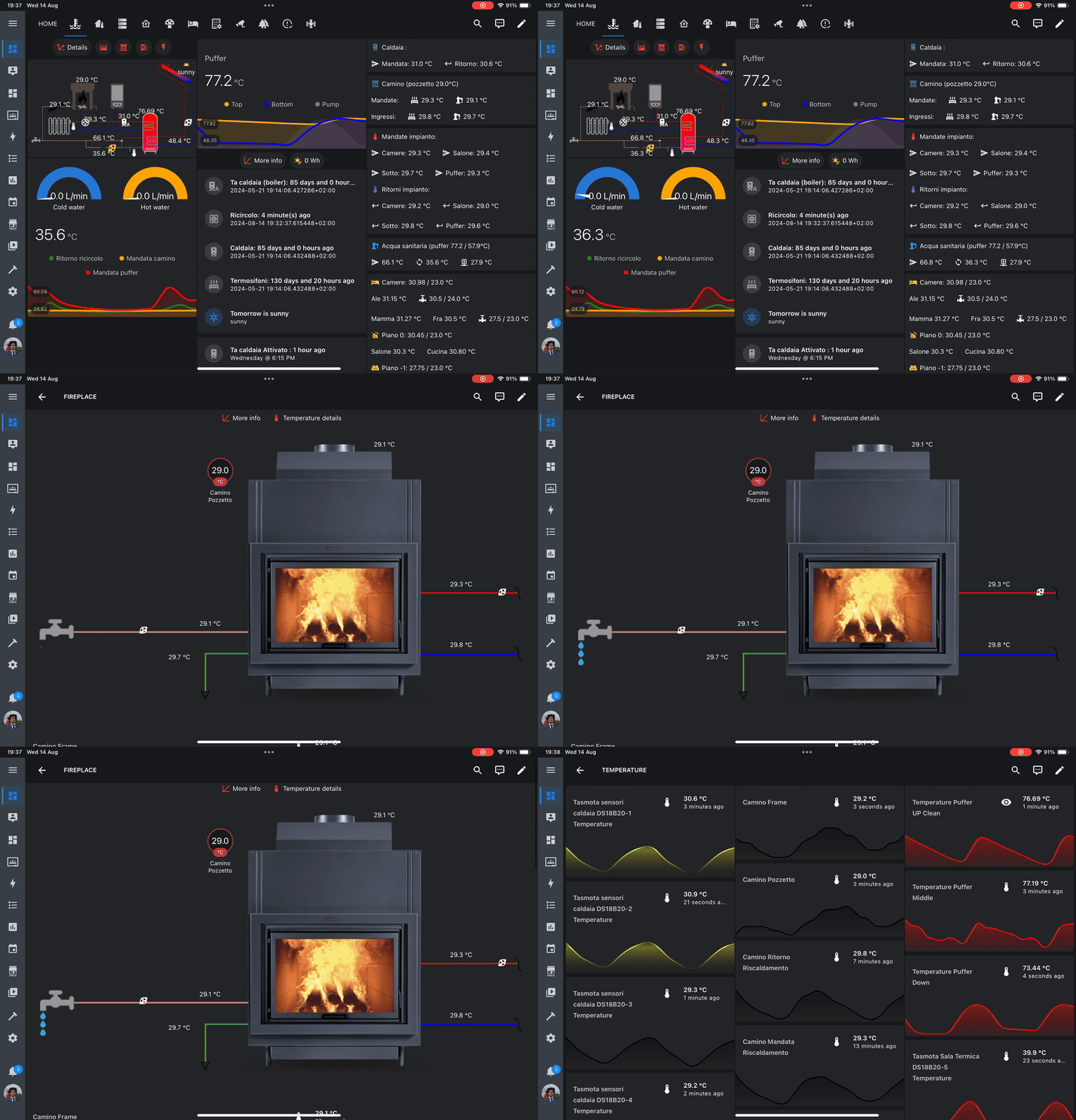
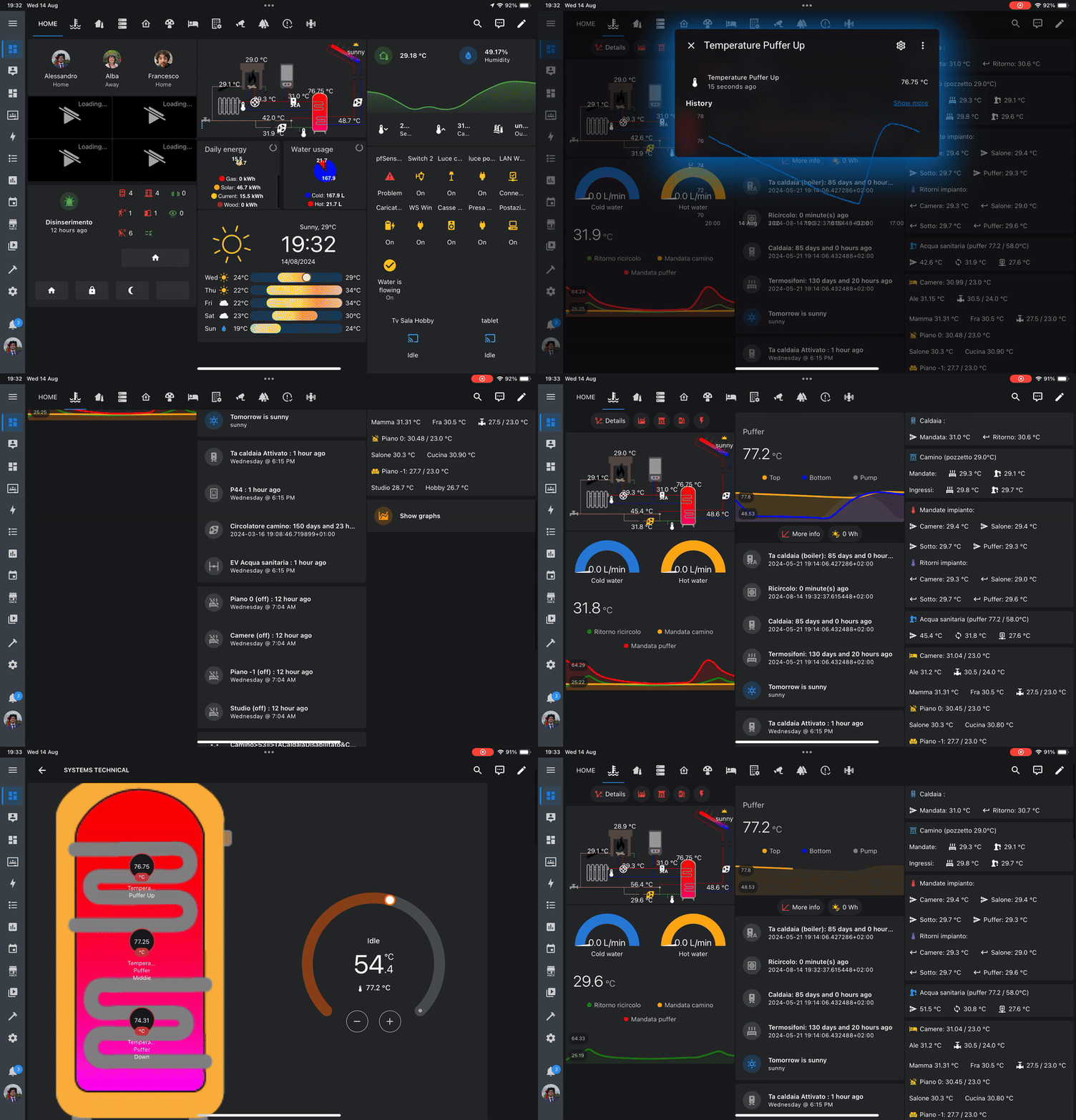
Due to this renovation work, I build a custom control unit to drive the thermal fireplace and the interconnected thermal system optimally. In addition, I also build a custom smart home interface accessible by smartphone, tablet and laptop.
Thermal fireplace
A fireplace can be integrated into a central heating system to distribute heat throughout the entire house using radiators. Several players allow for such integration. It is connected to a hydronic heating system, also known as a hot water heating system. In this setup, water is heated in the fireplace and circulated through a network of pipes. These pipes allow to distribute of heat to various radiators located throughout the house.
A pump, often referred to as a circulator pump, is used to circulate water through the system. When the fireplace is in operation, the heated water is pumped from the fireplace through the pipes to the radiators. Radiators are installed in each room or in strategic locations throughout the house. These radiators are metal panels with fins or coils. They transfer heat from the circulating water into the room through radiation and convection.
A thermostat or temperature control system regulates the operation of the fireplace and the circulation pump. When the temperature in the house drops below a set point, the thermostat signals the fireplace to start heating and the pump to circulate hot water through the system. In addition, in larger homes or buildings with multiple heating zones, the system may be divided into zones, each controlled by its own thermostat. This allows for more precise temperature control and energy efficiency by only heating occupied areas of the house when needed.
In addition, the heating system may also include other heat sources such as a boiler or a solar system. These can serve as backup heating sources to ensure consistent warmth, especially during periods when the fireplace is not in use or when additional heat is required.
Integration with existing systems
This retrofitting into an existing central heating system may require some modifications to the system’s plumbing and controls. It’s essential to consult with a qualified HVAC technician or fireplace installer to ensure proper integration and compliance with safety standards. By integrating a fireplace into a hydronic heating system with radiators, homeowners can enjoy the cozy ambiance of a fire while efficiently and effectively heating their entire house.
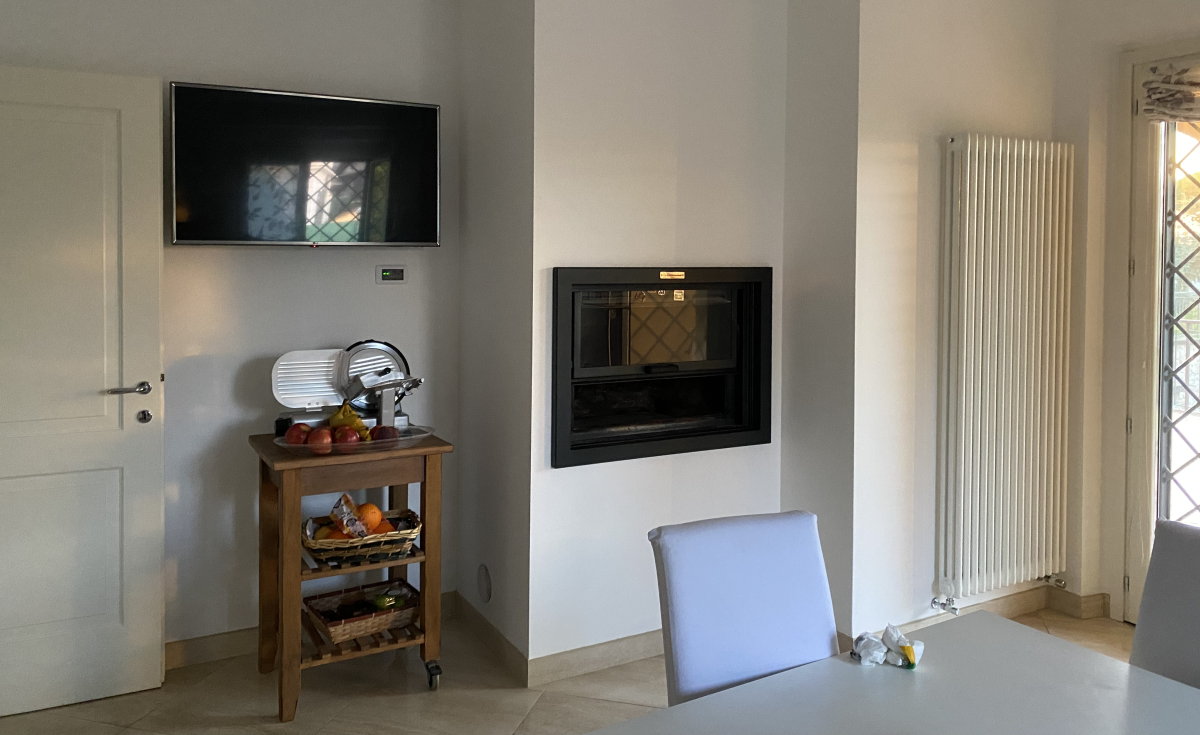
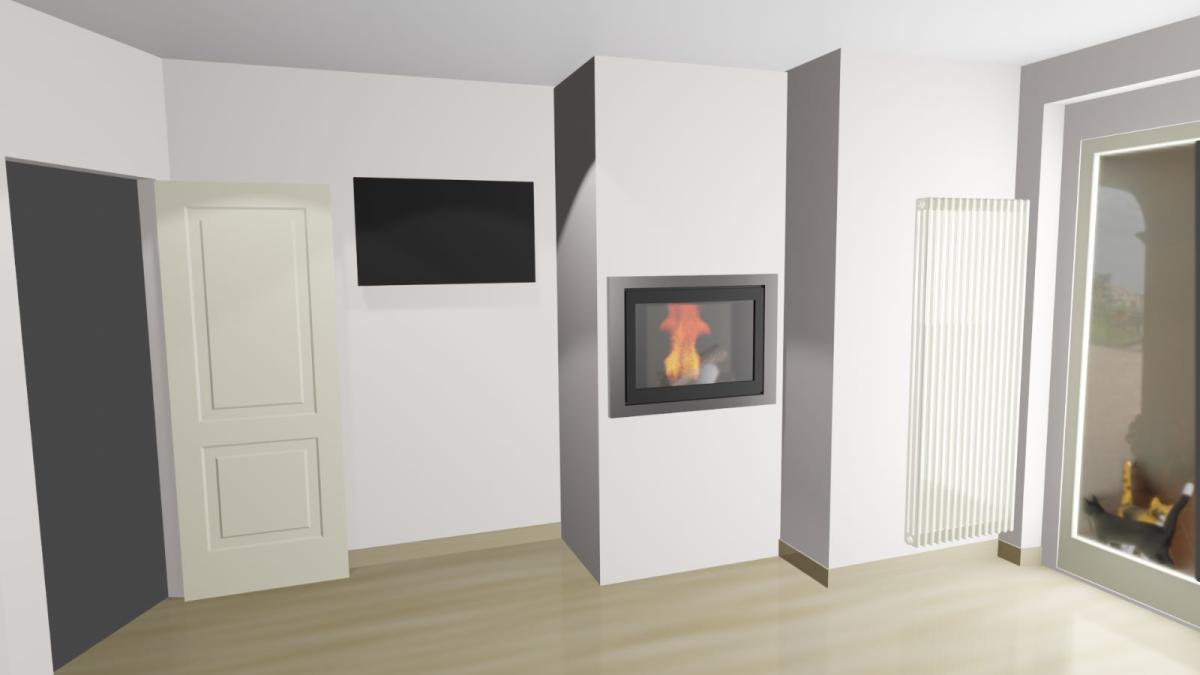
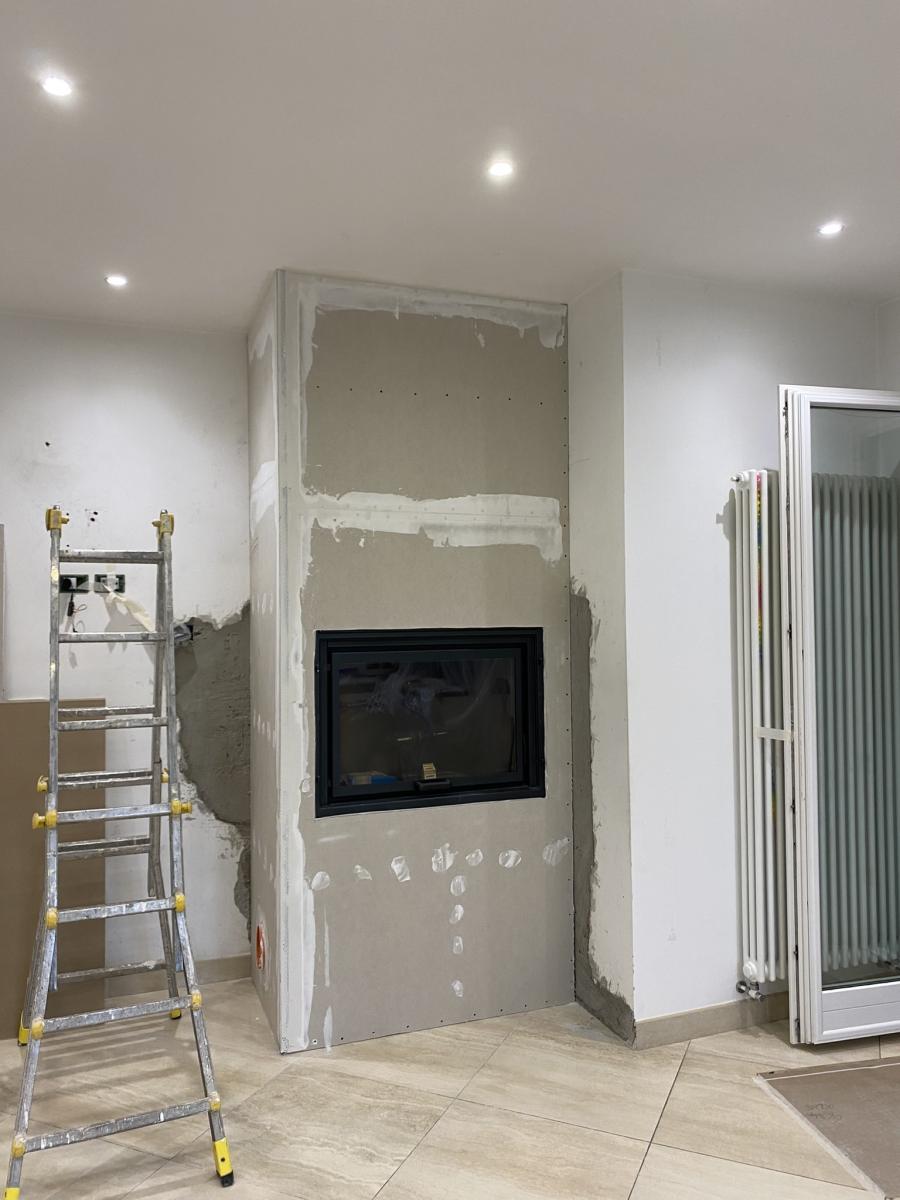
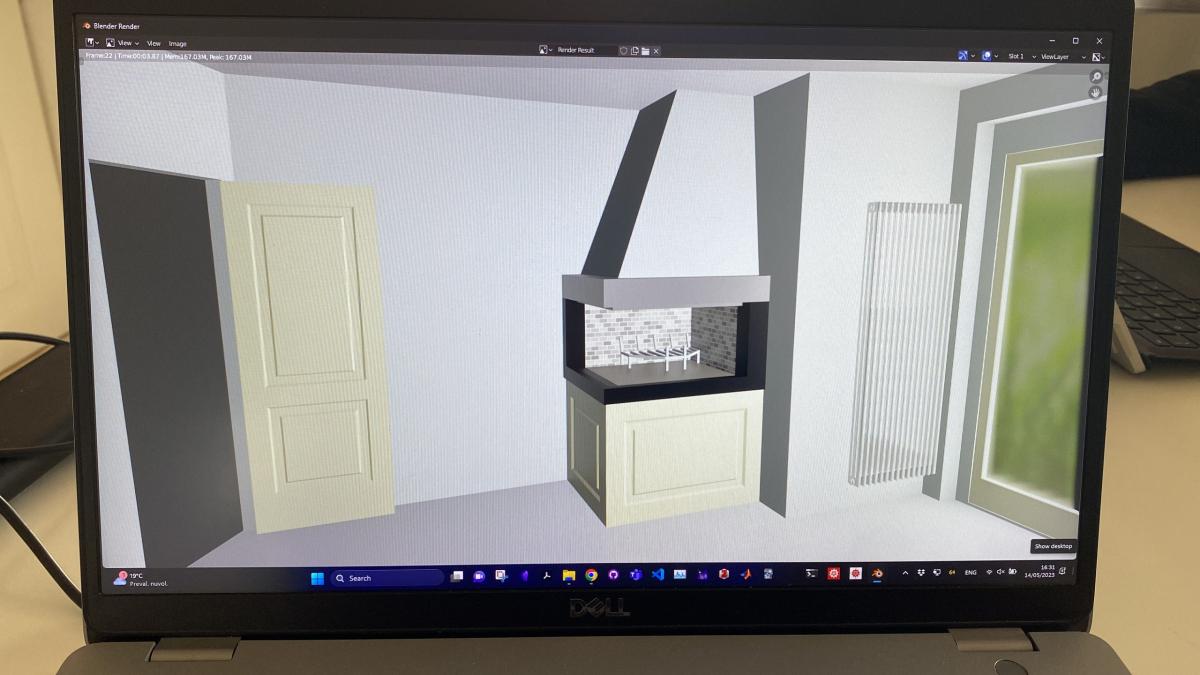
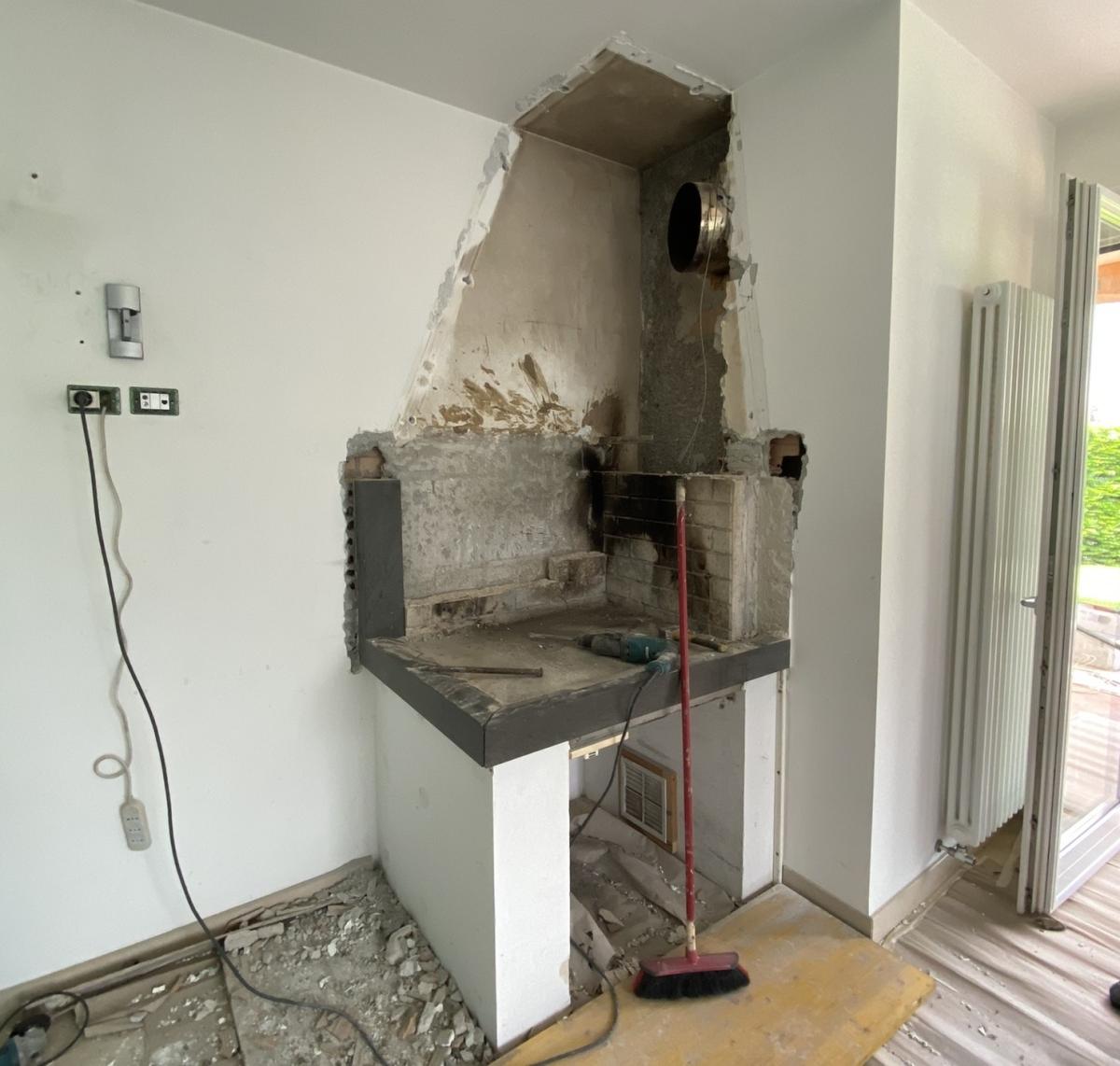
To understand if and when it can be convenient we can start from an energy balance. It takes as input the wood and burns it. Despite the ignition energy which is only needed at the start this is essentially chemical energy stored in wood. With the burning, this energy is converted into heat and some losses into the chimney. Then, the thermal energy is used to heat the fireplace itself and consequently the water in the internal puffer.
Energy consumption for hot water production (both sanitary and system water) from different thermal sources from July 2023 to July 2024.
These energy values are estimated (see here) and may contain some degree of error. However, it is reasonable to assume that the error is consistent across each class, making their ratio relatively accurate. As shown in the chart, the new thermal system almost entirely compensates for the reduced solar energy during the winter. A small amount of gas is still used, primarily for producing hot water when the fireplace is not in operation. Otherwise, the system fully meets the demand for both heating radiators and hot water. This gas consumption, however, accounts for less than 5% of the estimated average monthly gas usage for heating in this household.
A custom control unit for the fireplace
We decided to update our classic fireplace to a thermal one, integrated with the heating system. For that, I designed a new Thermal Control Unit, which I described in a previous article.